
Multiplayer: Everyone Plays. Everyone Matters.
Every player sees different clues on the phone.
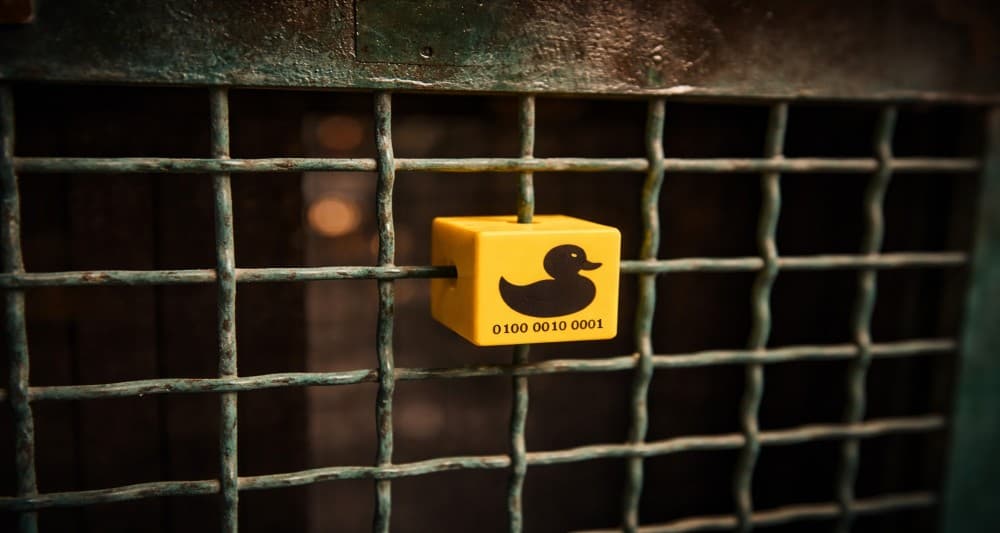
Imagine three players discovering the yellow box (see image below). One knows where to find it, one can decode the binary code, and the third knows what to do with the decoded word. You can only solve it together. Everyone in the team has a role to play and stays actively involved.
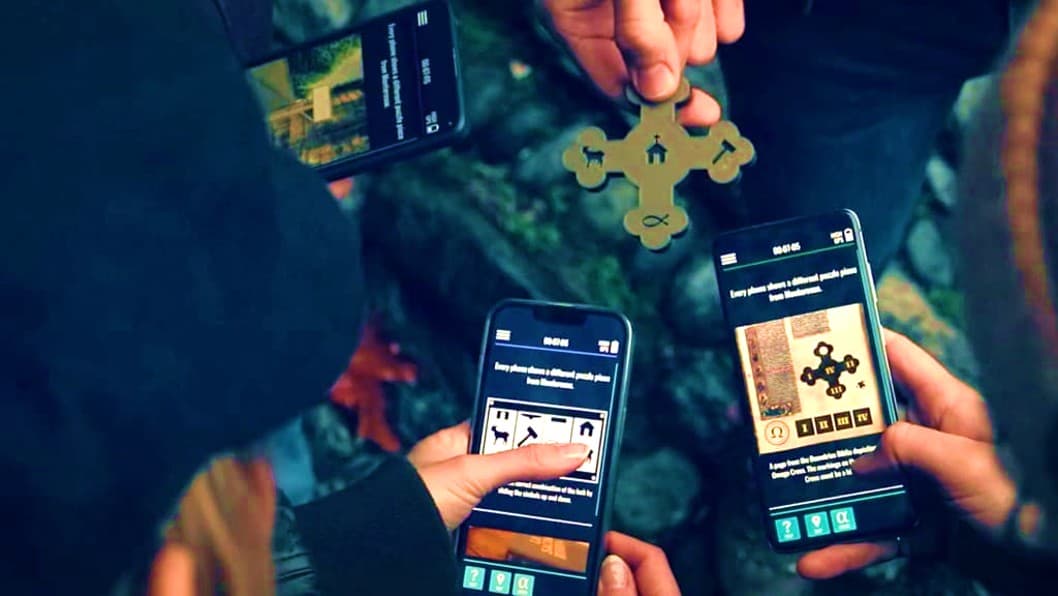
Choose your team size: 2, 3 or 4 players
Each game is available in three modes, designed for teams of two, three or four players. Every mode is different to create the best experience for that team size. If you are more than four people, simply split into multiple teams. You can either compete in a race or collaborate and help each other along the way. If you have more than two teams, we recommend starting a few minutes apart.
Why multiplayer matters
There are three ways to give player clues and information: - One phone for the group - One phone for each with the same information - Different information for each player. We tested the three approaches and it is clear: Giving each player different clues is the only way to immerse everyone in the game.
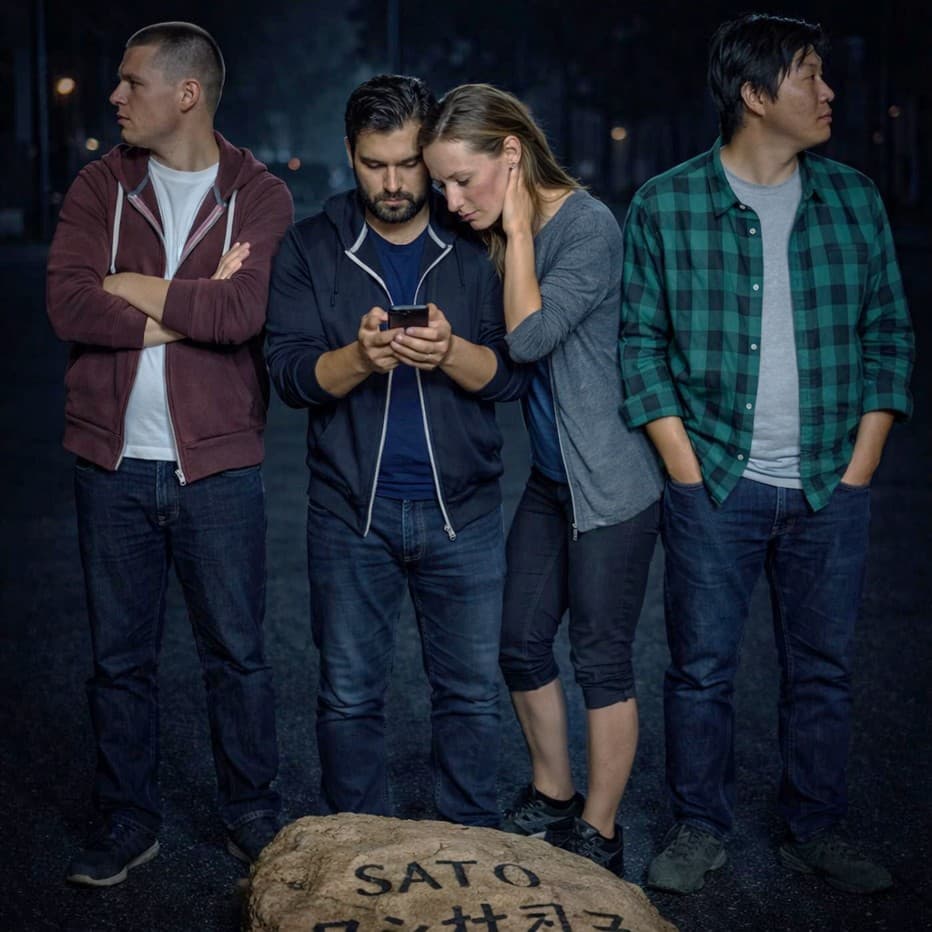
One phone for the group: One or two people are playing
This doesn not work well. Only the person holding the phone can really see, the others have to lean over, and you constantly need to scroll or pass the phone around. It is uncomfortable and frustrating and eventually they will not feel part of the game.
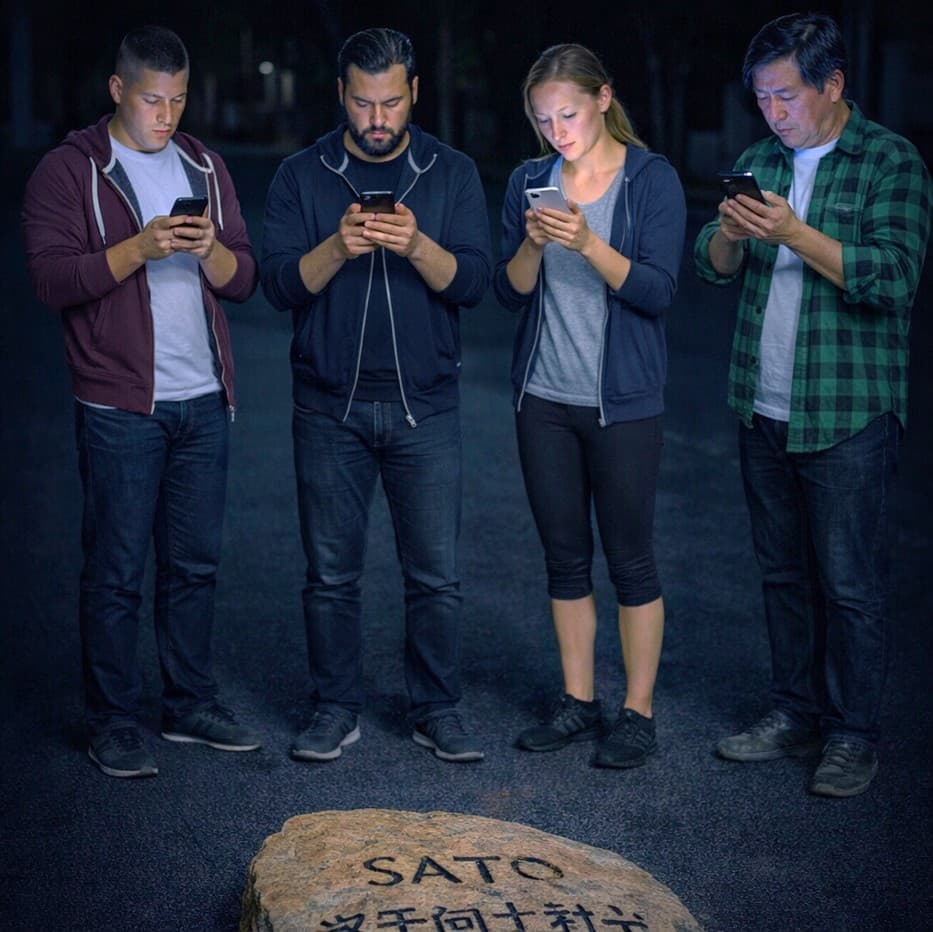
One phone for each player: Everybody plays alone
Sounds fair, but it creates another problem: one player can solve the puzzles completely alone. Experienced players will just solve it and wait for the rest of the team. There is no collaboration and the teamwork disappears.
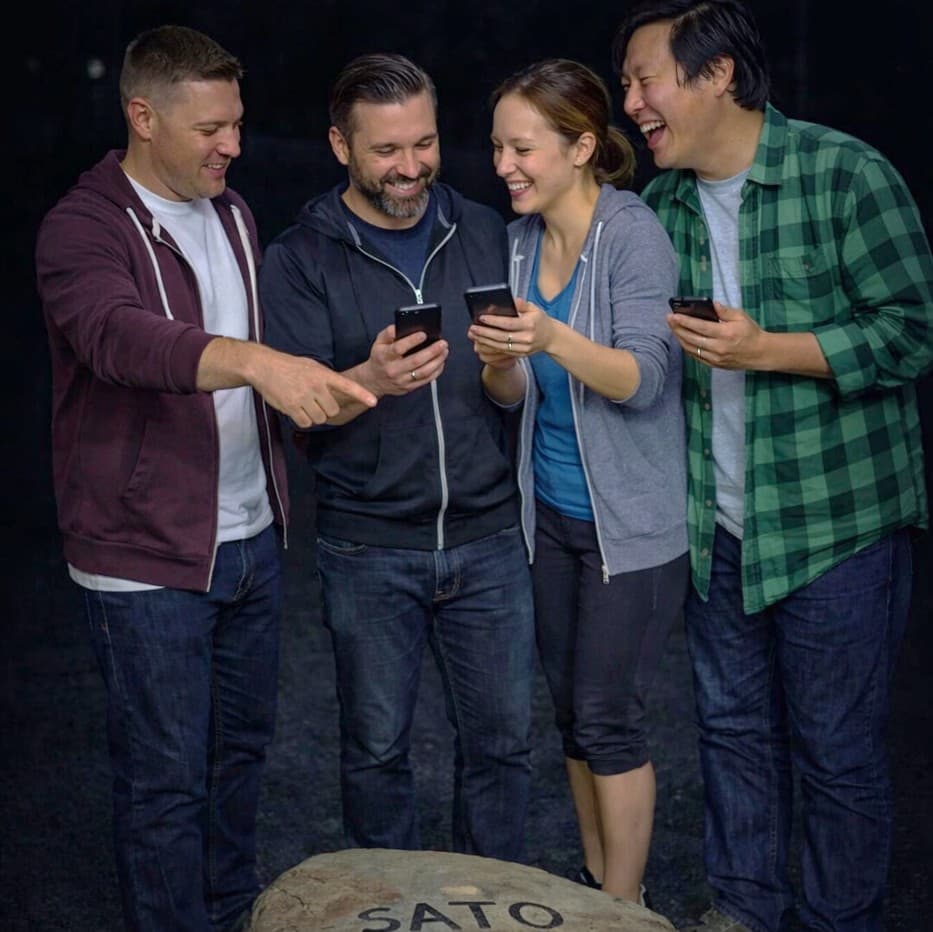
Gold standard: Everybody sees different clues
This is the best solution. Each player has unique information, and no one can solve the puzzles on their own. The group has to talk, share, and combine what they see. This keeps everyone involved and makes the experience truly cooperative.